Fuerteventura overview
Fuerteventura is the second largest Canary Island, the least populated and the closest to the African continent with Morocco lying 60 miles to the east and Lanzarote 12 miles to the north. More than 150 splendid beaches, virtually constant sunshine plus a very relaxed and typically Spanish way of life, entice sun-worshipers and water sports fanatics (and beginners!) all year round.
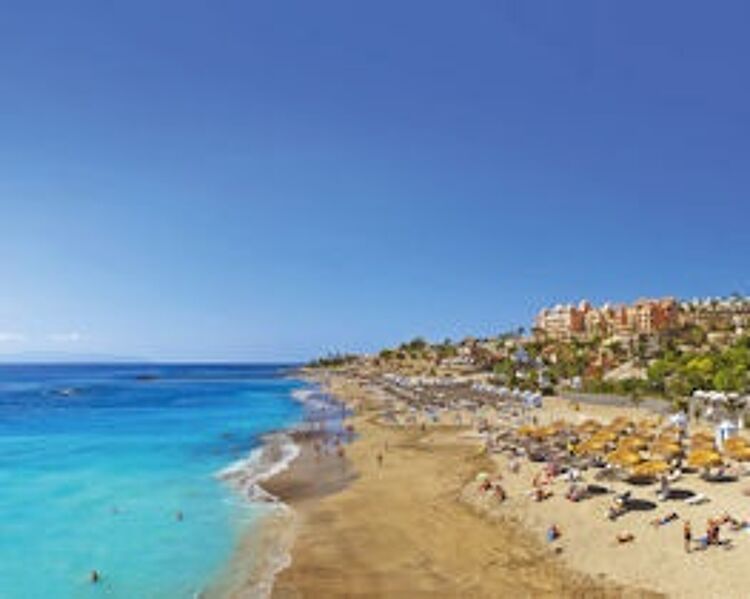
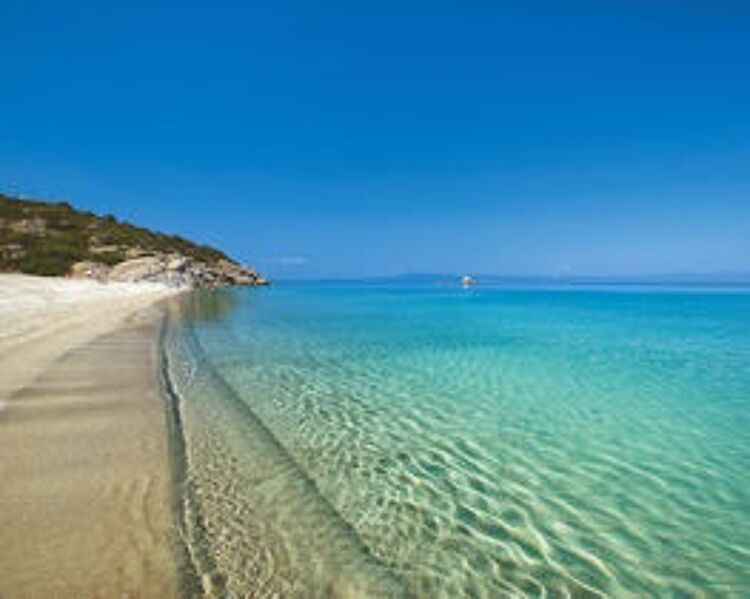
Fuerteventura is blessed with miles and miles of lovely soft sands and it is this beautiful coastline that attracts visitors who seek tranquility and glorious beaches.
This leaf-shaped Canary Island can be geographically divided into two. In the south, the long narrow Jandia Peninsula is fringed on the eastern side with excellent beaches of pale sand stretching between the resorts of Costa Calma, Morro Jable and down to Punta de Jandia with its landmark lighthouse. The northern two-thirds of the island boasts a few historic sites, the capital Puerto del Rosario, the popular east coast resort of Caleta de Fuste with its fabulous beach, and Corralejo; a much-expanded fishing village which along with the Jandia Peninsula provides one of the island's two most important resorts.
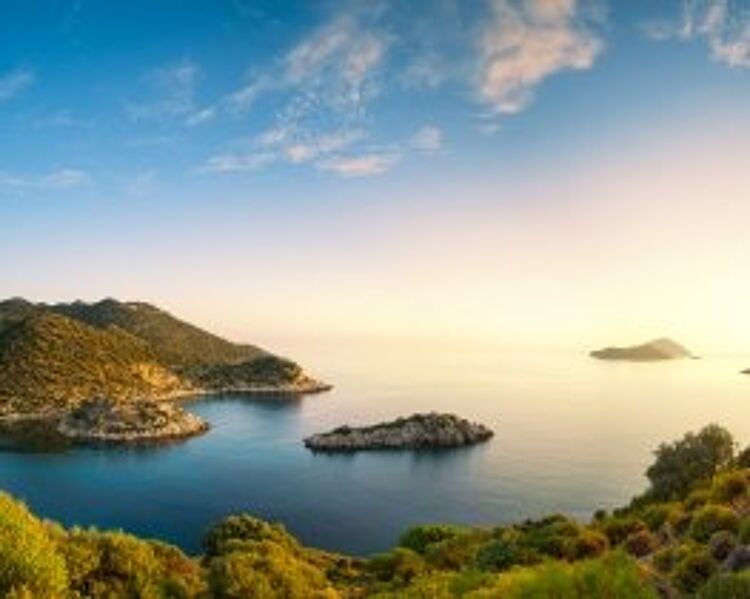
It is worth hiring a car during your stay, not only to hunt out deserted beaches, but also inland you can discover some striking scenery. Rugged peaks of extinct volcanoes - best viewed at sunset when the rocks glow mauve, pink and ochre - are separated by wide lowland plains dotted with small traditional villages and obsolete windmills. The ancient capital of Betancuria, built on a small volcano in the centre of the island, is undoubtedly the prettiest village and is worth a visit simply for its views and to see inside the church of Santa Maria.
Map
Climate
Fuerteventura enjoys an almost North African climate with little annual variation in temperature.
Did you know?
Fuerteventura is the oldest island of the Canary Islands dating back 20 million years from a volcanic eruption but the majority of Fuerteventura was created about five million years ago and since then has been eroded by wind and weather. The last volcanic activity in Fuerteventura was between 4,000 to 5,000 years ago.
Fuerteventura hotels

Gran Hotel Atlantis Bahia Real
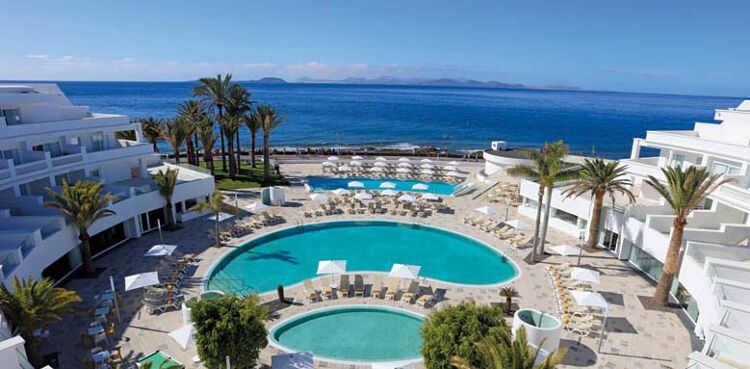
Situated on the seafront, close to Fuerteventura's sand dunes, and just 1.5 kilometres from the centre of Corralejo

Barcelo Corralejo Bay
Located close to Corralejo's town centre, this modern Moorish-style hotel is perfect for couples and families

-
-
Melia Gorriones
Melia Gorriones is located in the south of Fuerteventura, on the Jandia peninsula within a protected natural environment

-
Riu Palace Tres Islas
Situated on the Grandes Playas sandy beach and 5km from Corralejo

-
-
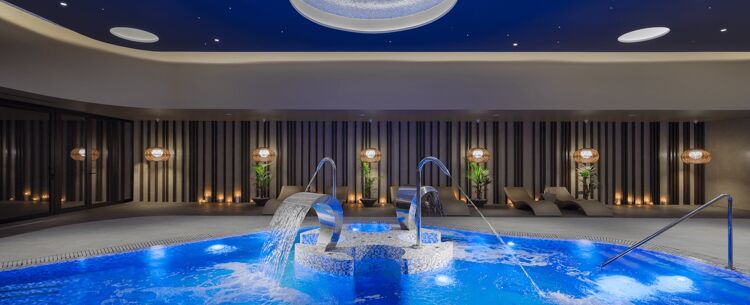
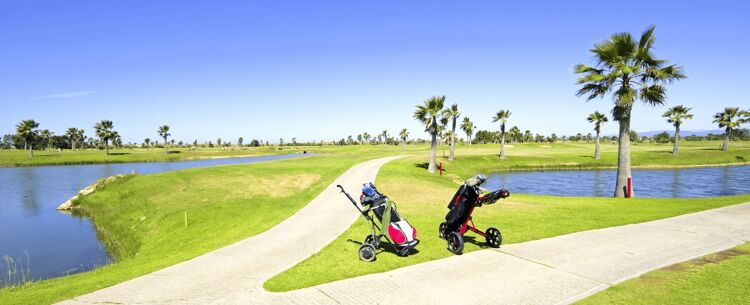
Sheraton Fuerteventura Beach Golf & Spa Resort
Sheraton hotels are known for their excellent accommodation and impeccable service

-
Map
Climate
Fuerteventura enjoys an almost North African climate with little annual variation in temperature.
Did you know?
Fuerteventura is the oldest island of the Canary Islands dating back 20 million years from a volcanic eruption but the majority of Fuerteventura was created about five million years ago and since then has been eroded by wind and weather. The last volcanic activity in Fuerteventura was between 4,000 to 5,000 years ago.
Fuerteventura sightseeing
Corralejo and Lobos
The bustling resort of Corralejo is at the northern tip of the island: its main attraction a belt of glorious sand dunes protected as a nature reserve. From the port you can get a fast ferry to Lanzarote, or enjoy a cruise around nearby Lbos, an island named after the once abundant mark seals, for scuba diving, snorkelling, fishing, surfing or sunbathing.
Betancuria
The interior of Fuerteventura boasts rugged peaks of extinct volcanoes separated by wide lowland plains dotted with small villages and obsolete windmills. The pretty village of Betancuria, built on a small volcano, is famous as the island's ancient capital and for its Church of Santa Maria with glided alters, decorated beams and sacred relics.
Just offshore to the north of Corralejo, between Fuerteventura and Lanzarote, is the tiny Isla de los Lobos, named after the once abundant monk seals (lobos marinos) - not wolves as is the common misconception! Divers, snorkellers, surfers and sport fishers claim the clear waters and for those slightly less adventurous, barbecue and swimming excursions to this tiny island are enhanced by sailing across in glass- bottomed cruisers.
Map
Climate
Fuerteventura enjoys an almost North African climate with little annual variation in temperature.
Did you know?
Fuerteventura is the oldest island of the Canary Islands dating back 20 million years from a volcanic eruption but the majority of Fuerteventura was created about five million years ago and since then has been eroded by wind and weather. The last volcanic activity in Fuerteventura was between 4,000 to 5,000 years ago.
Fuerteventura cuisine

The gastronomy of Fuerteventura is essentially inspired home cooking based on fresh ingredients including a plentiful supply of freshly caught fish, meat and vegetables and with the emphasis very much on simplicity.
Hearty stews are made with fish or meat with the addition of various locally grown vegetables, gofio, a staple of these islands and made from roasted wheat, barley and maize or chick peas are added to broths and soups, and of course fish cooked in a variety of ways, with parrot fish, sea bass and wreck-fish some of the favourites.
Papas Arragudas is a very popular side dish, small potatoes cooked in their skins in very salty water (preferably sea water) and accompanied by a spicy sauce, mojo picante (hot) or mojo verde (a milder version).
Local desserts include bienmesabes, made with ground almonds and honey, or frangollo with gofio, milk and dried fruit and thanks to the favourable climate of the Canaries many exotic fruits such as papaya, mango, passion fruit and kiwi are readily available.
A wide range of international and traditional restaurants can be found throughout Fuerteventura with tapas restaurants in plenty supply in Costa Caleta, Jandia and Corralejo..
Map
Climate
Fuerteventura enjoys an almost North African climate with little annual variation in temperature.
Did you know?
Fuerteventura is the oldest island of the Canary Islands dating back 20 million years from a volcanic eruption but the majority of Fuerteventura was created about five million years ago and since then has been eroded by wind and weather. The last volcanic activity in Fuerteventura was between 4,000 to 5,000 years ago.
Fuerteventura offers

Barcelo Corralejo Bay
Located close to Corralejo's town centre, this modern Moorish-style hotel is perfect for couples and families
3 offers

Melia Gorriones
Melia Gorriones is located in the south of Fuerteventura, on the Jandia peninsula within a protected natural environment
2 offers

-
-
Riu Palace Tres Islas
Situated on the Grandes Playas sandy beach and 5km from Corralejo
3 offers

-
Sheraton Fuerteventura Beach Golf & Spa Resort
Sheraton hotels are known for their excellent accommodation and impeccable service
7 offers

-
-
Gran Hotel Atlantis Bahia Real
Situated on the seafront, close to Fuerteventura's sand dunes, and just 1.5 kilometres from the centre of Corralejo
8 offers

-
-
Map
Climate
Fuerteventura enjoys an almost North African climate with little annual variation in temperature.
Did you know?
Fuerteventura is the oldest island of the Canary Islands dating back 20 million years from a volcanic eruption but the majority of Fuerteventura was created about five million years ago and since then has been eroded by wind and weather. The last volcanic activity in Fuerteventura was between 4,000 to 5,000 years ago.