 Algarve
 Barbados
 Crete
Crete Croatia
 Halkidiki
 Lanzarote
 Madeira
 Maldives
 Mallorca
 Morocco
 Sorrento & Amalfi Coast
 Tenerife
 Egypt
Egypt Kenya
Kenya Morocco
 Tanzania
 South Africa
 Antigua
 Barbados
 Dominican Republic
 Grenada
 St Lucia
 Indonesia
 Thailand
 Croatia
 Cyprus
 Greece
 Italy
Italy Malta
Malta Portugal
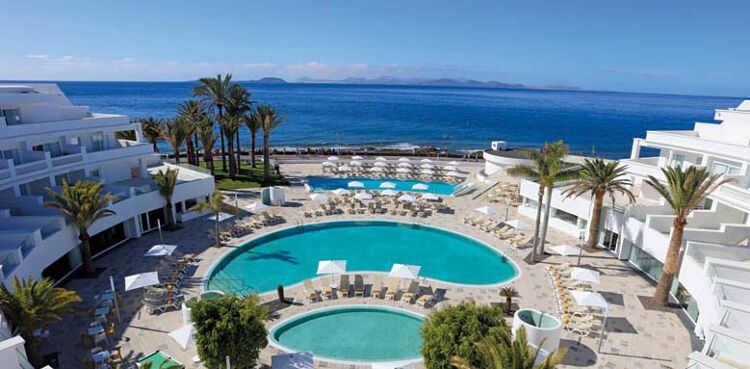 Spain
Spain Turkey
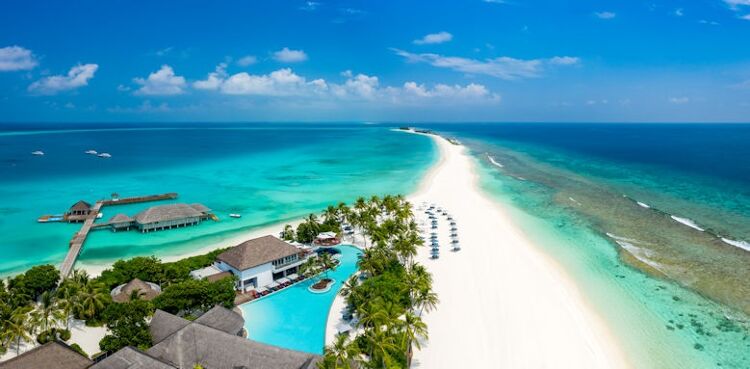 Maldives
 Mauritius
 Seychelles
 Sri Lanka
 Oman
Oman United Arab Emirates
 Adult Only Holidays
 All Inclusive Holidays
 Boutique Cruises
 Boutique Hotels
 City Breaks
 Family Holidays
 Honeymoon Holidays
 Luxury Rail Holidays
 Multi Centre Holidays
 Private & Escorted Tours
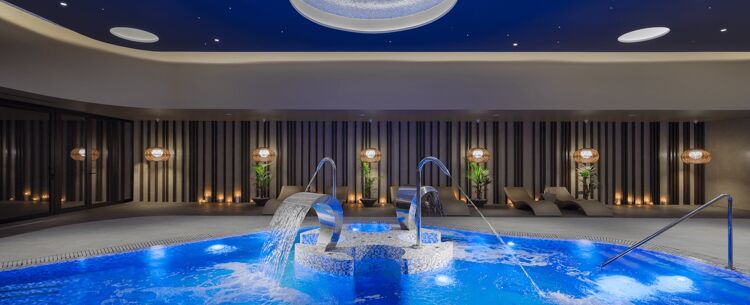 Spa & Wellness Holidays
 Villa Holidays
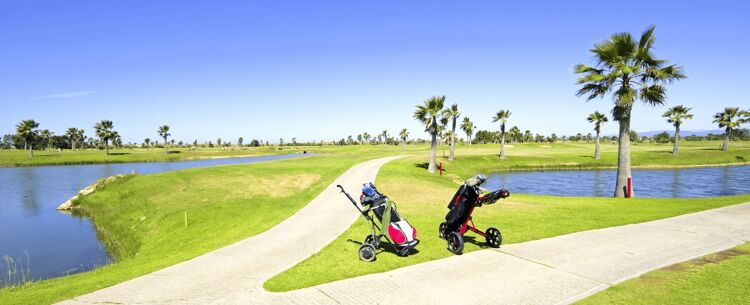 Golf Holidays
 Group Holidays
 LGBTQ+ Luxury Holidays
 Romantic Holidays
 Greek Island Hopping
 Infinity Pools
 Interconnecting Rooms
 Private Pools
 Swim Up Rooms
 Yoga Classes
 Blue Flag Beaches
 Butler Service
 Michelin Star Dining




Luxury Kos Holidays
Explore Kos
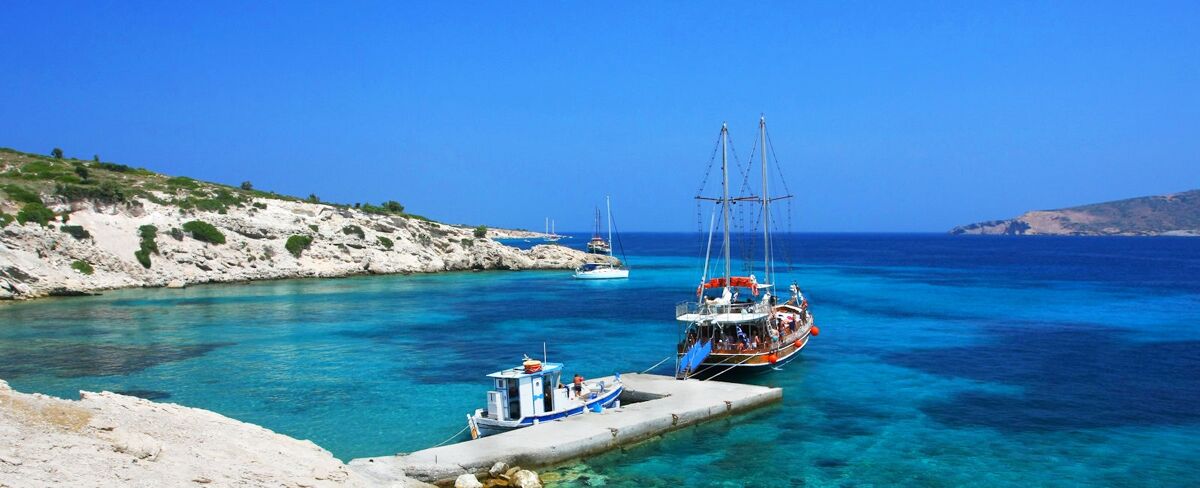
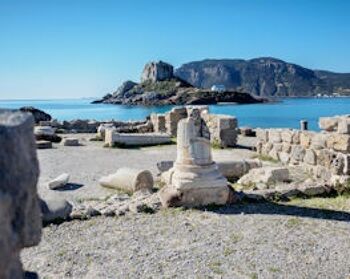
Close to the Turkish coast and one of the most popular of the Greek Islands, Kos is relatively flat with one mountain range, Dikeos, rising to 846m. Boasting picturesque traditional villages, ancient sites, popular resorts Kos holidays are fantastic for sun-worshippers.
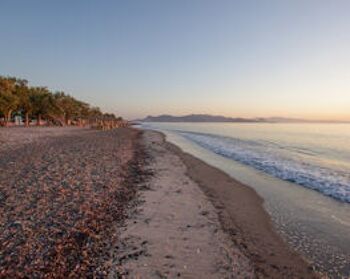
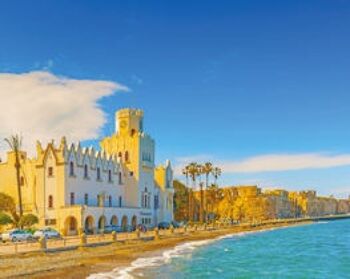
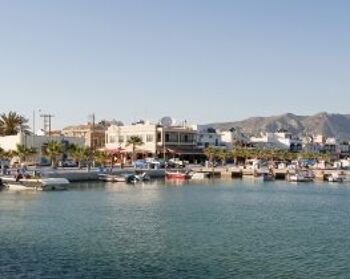
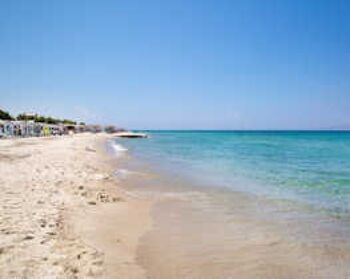
Of the 12 Dodecanese islands, Kos is the third largest in size after Rhodes and Karpathos, and has the second largest population. Close to Turkey’s coast and fringed by beaches, it boasts picturesque villages, ancient sites, popular resorts and lively nightlife. One of the most popular of the Greek islands, Kos enjoys Mediterranean sunshine, warm Aegean waters and fabulous beaches. Kos holidays are for beach-lovers, with an island most famed for its beaches; ranging from the long golden sandy beach in Kamari, the bustling beach at Kos Town lined by restaurants and bars, to the tranquil black volcanic beach with a few tavernas at Agios Fokas, and the family friendly gently shelving beach at Mastihari.
Close to the Turkish coast and one of the most popular of the Greek Islands, Kos is relatively flat with one mountain range, Dikeos, rising to 846m. Boasting picturesque traditional villages, ancient sites, popular resorts Kos holidays are fantastic for sun-worshippers.
Of the 12 Dodecanese islands, Kos is the third largest in size after Rhodes and Karpathos, and has the second largest population. Close to Turkey’s coast and fringed by beaches, it boasts picturesque villages, ancient sites, popular resorts and lively nightlife. One of the most popular of the Greek islands, Kos enjoys Mediterranean sunshine, warm Aegean waters and fabulous beaches. Kos holidays are for beach-lovers, with an island most famed for its beaches; ranging from the long golden sandy beach in Kamari, the bustling beach at Kos Town lined by restaurants and bars, to the tranquil black volcanic beach with a few tavernas at Agios Fokas, and the family friendly gently shelving beach at Mastihari.
Average Temperatures
Average amount of daylight in hours
Lorem 6 ipsum dolor sit amet consectetur adipisicing elit. Architecto earum neque, nihil, eos quaerat modi magnam et recusandae, consequuntur hic accusantium sapiente itaque praesentium atque! Quisquam nemo accusamus doloribus quis laborum illo magni aliquam non architecto aperiam dolores, excepturi fugiat ut aliquid quaerat, minima porro maiores, sint molestias voluptate. Facilis repudiandae labore cupiditate odit alias ex nesciunt laboriosam quam ipsam veritatis at quia unde consectetur quos inventore hic vel consequuntur dolorem assumenda deserunt vitae vero obcaecati, adipisci dolore. Nihil soluta cum placeat, doloremque eius ea rem mollitia, cupiditate voluptatem vitae sequi facilis quod numquam aliquid, repellendus odit quasi tempora suscipit!
Featured Hotels
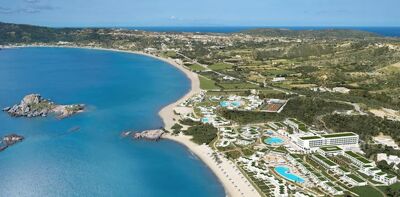
Ikos Aria
5 star
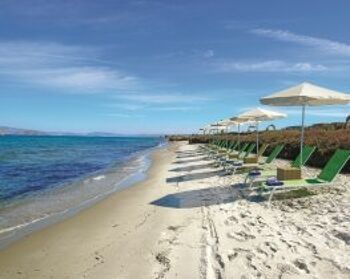
In a dazzling beachside setting on the southwest coast of Kos, brand new Ikos Aria offers a luxuriously contemporary style alongside traditional Greek hospitality.
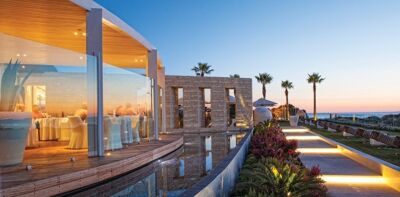
Aqua Blu Boutique Hotel & Spa
5 star boutique
Situated just across the road from the beautiful sandy beach in Lambi and just a relaxed 20 minute stroll 1.5km from Kos Town, the superbly modern 5 star Aqua Blu Boutique Hotel & Spa
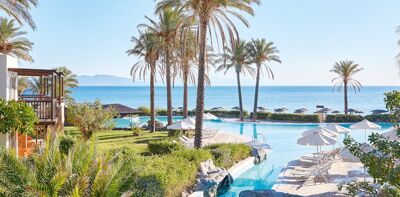
Grecotel Kos Imperial
5 Star
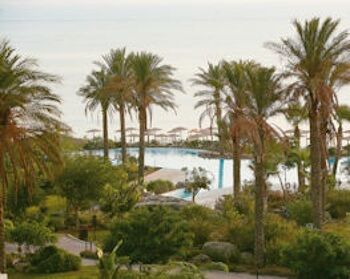
Set on the beach in Psalidi, Grecotel Kos Imperial boasts a gorgeous pool landscape, gourmet dining and an excellent choice of accommodation including seafront bungalows and beachfront villas.
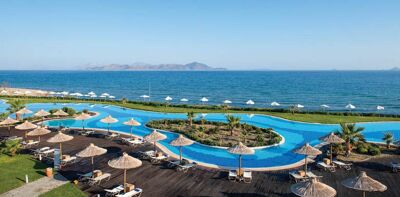
Astir Odysseus
5 star
In a beautiful beachfront location in Tingaki, 5km from Kos Town, modern style Astir Odysseus offers high standards of accommodation and service to suit couples and families.